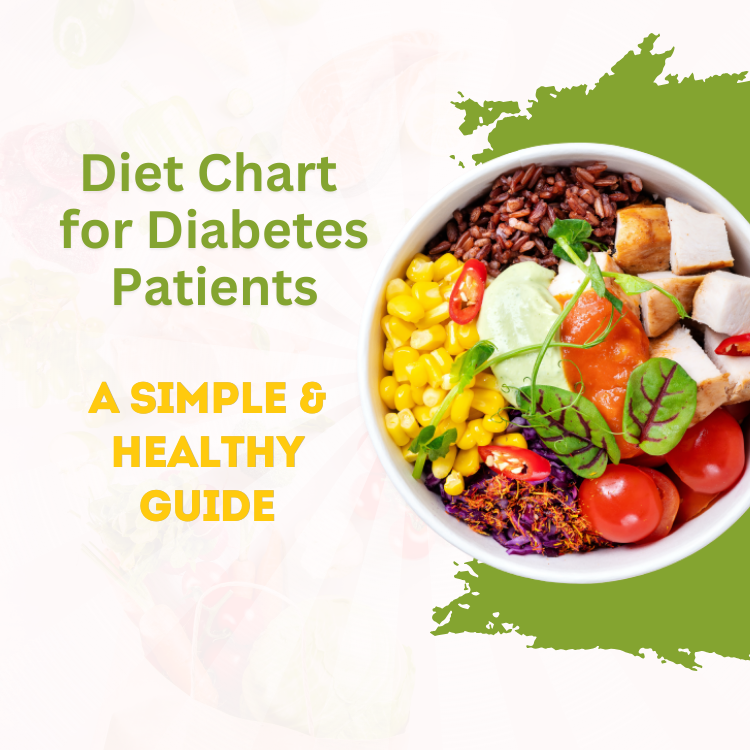
Best Diet Plan for Diabetes: A Simple & Healthy Guide
Managing diabetes is much easier when you stick to a healthy diet every day. A balanced diet helps control blood sugar levels, keeps you full of energy, and prevents long-term health issues. In this article, you will find a simple and practical diet chart for diabetes patients.
Why Diet Is Important for Diabetes
When you have diabetes, your body struggles to use insulin properly or doesn’t make enough of it. This causes sugar to build up in the blood. A good diet helps you:
- Maintain stable blood sugar
- Avoid sudden sugar spikes
- Lose or maintain a healthy weight
- Stay energetic and active
- Reduce risks of heart, kidney, and nerve problems
General Diet Guidelines for Diabetes Patients
While planning a diet chart, keep these points in mind:
- – Eat small, frequent meals
- – Limit white rice, sugar, sweets, and fried foods
- – Choose whole grains instead of refined carbs
- – Include fiber-rich foods for gradual sugar release
- – Drink plenty of water
- – Don’t skip meals
- – Exercise for at least 30 minutes each day
Daily Diet Chart for Diabetes Patients
1. Early Morning (6 AM – 7 AM)
- – 1 glass warm water
- – Optional: 1 teaspoon soaked fenugreek seeds or 1 cup green tea
Benefits: Helps digestion and improves insulin sensitivity.
2. Breakfast (8 AM – 9 AM)
Choose one option:
- 1–2 whole-wheat chapati + boiled vegetables
- 1 bowl oats/porridge cooked with water + nuts
- 1 plate vegetable upma/khichdi
- 1 boiled egg + 1 slice brown bread
Add:
- 1 small fruit (apple/guava/orange, NOT banana or mango)
3. Mid-Morning Snack (11 AM)
- 1 handful of nuts (almonds/walnuts/peanuts)
OR - 1 cup unsweetened yogurt
Benefits: Keeps your blood sugar stable until lunch.
4. Lunch (1 PM – 2 PM)
- 1 cup brown rice / 2 medium chapatis
- 1 bowl dal or lentil soup
- 1 cup mixed vegetables (spinach, beans, carrot, broccoli)
- 1 piece grilled chicken/fish (optional)
- 1 small salad (cucumber + tomato + carrot)
Avoid: white rice, high-oil curries
5. Evening Snack (4 PM – 5 PM)
Choose one:
- 1 cup roasted chana
- 1 slice whole-grain toast
- 1 cup sugar-free green tea or black coffee
6. Dinner (7 PM – 8 PM)
Dinner should be light and low in carbs.
- 2 small chapatis or 1 bowl vegetable soup
- Boiled or steamed vegetables
- Grilled chicken/fish (optional)
Tip: Avoid rice at dinner time.
7. Before Bed (9 PM – 10 PM)
- – 1 glass warm milk (unsweetened) OR
- – 1 small handful of nuts
Best Foods for Diabetes Patients
- – Whole grains: brown rice, oats, quinoa
- – Lean proteins: eggs, chicken, fish, tofu
- – Fiber-rich foods: vegetables, leafy greens, lentils
- – Healthy fats: almonds, walnuts, flaxseed
- – Fruits: apple, papaya, guava, berries, orange
Foods to Avoid
- – Sugar, sweets, chocolate
- – Soft drinks and packaged juices
- – White rice and white bread
- – Fried snacks
- – Large amounts of potatoes
- – Ice cream and fast food
Conclusion
A healthy diet is the best way to manage diabetes. By following this simple daily diet chart, you can control your blood sugar levels, boost your energy, and protect your long-term health. In addition to a good diet, regular exercise, and timely medication are also key. Start with small changes and stay consistent. Your body will appreciate it!
A balanced diet with whole grains, vegetables, lean proteins, and healthy fats is best for diabetes patients. Avoid sugar and refined carbs to keep blood sugar stable.
Yes, but in moderation. Safe fruits include apples, guava, oranges, berries, and papaya. Avoid high-sugar fruits like mango, grapes, and bananas.
Brown rice is a better option than white rice because it releases sugar slowly. Still, portion control is important.
A diabetic patient should eat 5–6 small meals every day to prevent sudden blood sugar spikes.
Yes. A healthy diet, regular exercise, and proper medication can help control diabetes and prevent complications.
Yes. Eggs are a good source of protein and help keep you full for longer without raising blood sugar levels.
Avoid sweets, sugar, soft drinks, fried foods, white rice, white bread, fast food, and high-carb snacks.